
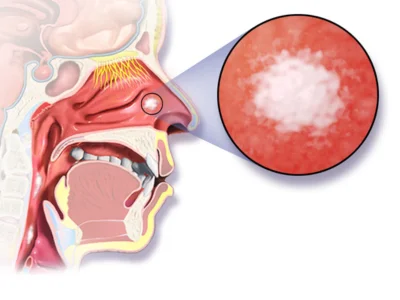
Understanding Head and Neck Cancer
Head and neck cancers encompass malignancies arising in the oral cavity, throat (pharynx), voice box (larynx), nasal cavity, sinuses, and salivary glands. These cancers often originate from squamous cells lining the moist surfaces inside the head and neck. Major risk factors include tobacco use (smoking or chewing), excessive alcohol consumption, and human papillomavirus (HPV) infection, particularly for oropharyngeal cancers. In India, tobacco-related habits contribute significantly to the high incidence rates.
Symptoms, Diagnosis, and Advanced Treatment Approaches
Early symptoms may include persistent sore throat, hoarseness, difficulty swallowing, unexplained weight loss, ear pain, or lumps in the neck. Diagnosis typically involves a thorough clinical examination, biopsy, imaging scans like CT/MRI/PET-CT, and endoscopy to assess the tumor’s extent.
As a surgical oncologist, treatment emphasizes multimodal approaches. Surgery remains the cornerstone, ranging from minimally invasive endoscopic resections for early-stage tumors to complex reconstructions using flaps for advanced cases. Dr. Kapil Kadian specializes in function-preserving techniques that aim to maintain speech, swallowing, and facial appearance while achieving complete tumor removal. For instance, laser surgery or robotic-assisted procedures reduce morbidity compared to traditional open surgeries.
Adjuvant therapies like radiation or chemotherapy are integrated based on tumor staging and pathology reports. Immunotherapy has emerged as a promising option for recurrent or metastatic HPV-positive cancers. Regular follow-up is crucial due to the risk of second primaries in smokers.
Prevention focuses on lifestyle modifications: quitting tobacco/alcohol, HPV vaccination, and routine dental check-ups. With timely intervention by experienced onco-surgeons, survival rates for early-stage head and neck cancers exceed 80-90%, offering patients not just longevity but preserved quality of life.