
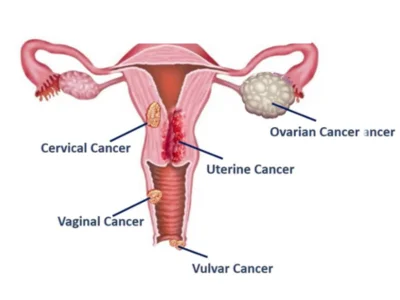
Types and Causes of Gynecological Cancers
Gynecological malignancies include cancers of the cervix, uterus (endometrium), ovaries, fallopian tubes, vulva, and vagina. Cervical cancer, largely HPV-driven, remains prevalent in developing regions, while endometrial cancer links to obesity and unopposed estrogen. Ovarian cancer, often called a “silent killer,” presents late due to vague symptoms.
Warning Signs, Diagnosis, and Precision Surgery
Symptoms vary: abnormal bleeding, pelvic pain, bloating, or discharge. Screening via Pap smears/HPV testing prevents cervical cancer progression. Imaging, CA-125 markers, and biopsies aid diagnosis.
Surgical intervention is central. For cervical/endometrial cancers, hysterectomy with lymph node assessment is standard, often laparoscopic for faster recovery. Dr. Kapil Kadian employs minimally invasive robotic/laparoscopic techniques, reducing blood loss and hospital stays while maintaining oncological radicality.
Ovarian cancer requires cytoreductive surgery to remove all visible disease, combined with hyperthermic intraperitoneal chemotherapy (HIPEC) in select cases for better outcomes. Fertility-sparing options like trachelectomy exist for young patients with early cervical cancer.
Adjuvant chemotherapy (platinum-based) or PARP inhibitors for BRCA-mutated tumors enhance survival. Radiation targets specific sites like vagina/vulva.
Prevention includes HPV vaccination, weight management, and oral contraceptives reducing ovarian risk. Multidisciplinary care integrates medical oncology and psycho-oncology support.
With expert surgical debulking, survival for early gynecological cancers approaches 90%, highlighting the importance of specialized onco-surgical expertise in restoring health and fertility where possible.