
Understanding Colorectal Cancer
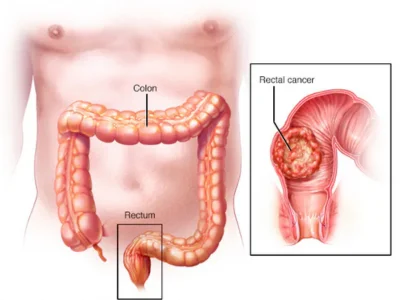
Colorectal cancer develops in the colon or rectum, parts of the large intestine. It usually begins as small, noncancerous clumps of cells called polyps that form on the inner lining of the colon or rectum. Over time, some of these polyps can become cancerous. This type of cancer is one of the most common cancers affecting both men and women worldwide.
The colon absorbs water and nutrients from food, while the rectum stores waste before it passes out of the body. Most colorectal cancers are adenocarcinomas, which start in cells that make and release mucus and other fluids.
Risk Factors and Symptoms
Several factors can increase the chance of developing colorectal cancer. Age is a major consideration, with most cases occurring in older adults. A family history of the disease or certain inherited conditions can play a role. Lifestyle factors such as a diet low in fiber and high in red or processed meats, lack of physical activity, smoking, and heavy alcohol use are linked to higher risk. Chronic inflammatory conditions of the bowel, such as ulcerative colitis or Crohn’s disease, also contribute.
In the early stages, colorectal cancer often causes no noticeable symptoms, which is why regular screening is important. When symptoms do appear, they may include changes in bowel habits such as diarrhea, constipation, or a feeling that the bowel does not empty completely. Blood in the stool, abdominal discomfort, cramps, bloating, unexplained fatigue, and unintentional weight loss are common signs that warrant medical attention.
Diagnosis and Treatment Approaches
Diagnosis typically begins with a discussion of symptoms and medical history, followed by tests. A colonoscopy allows doctors to view the entire colon and rectum, remove polyps, and take tissue samples if needed. Other imaging tests, such as CT scans or MRI, help determine the extent of the disease. Blood tests may check for certain markers associated with colorectal cancer.
Treatment depends on the location, size, and spread of the cancer. Surgery is often the main approach for early-stage disease. During surgery, the cancerous portion of the colon or rectum, along with nearby lymph nodes, is removed. In some cases, the healthy parts of the intestine are reconnected, while in others a temporary or permanent colostomy may be needed.
For cancers that have grown deeper into the wall of the colon or spread to nearby tissues, additional treatments such as chemotherapy or radiation therapy are commonly used. Chemotherapy uses drugs to destroy cancer cells throughout the body, while radiation therapy targets cancer cells with high-energy beams. In advanced cases, targeted therapies and immunotherapy may be considered to attack specific features of the cancer cells or to help the immune system fight the disease.
Prevention and Ongoing Care
Preventive measures focus on lifestyle changes and regular screening. Eating a diet rich in fruits, vegetables, and whole grains, staying physically active, maintaining a healthy weight, limiting alcohol, and avoiding smoking can help reduce risk. Screening methods, such as colonoscopy, can detect precancerous polyps and allow their removal before cancer develops.
Early detection and prompt treatment significantly improve outcomes. Multidisciplinary teams, including surgeons, oncologists, radiologists, and supportive care specialists, work together to provide comprehensive care. Ongoing research continues to explore new ways to detect the disease earlier and develop more effective treatments.
If you experience any concerning symptoms or have risk factors, consulting a healthcare provider for evaluation and guidance is essential. Awareness and proactive steps remain key in managing colorectal cancer.