
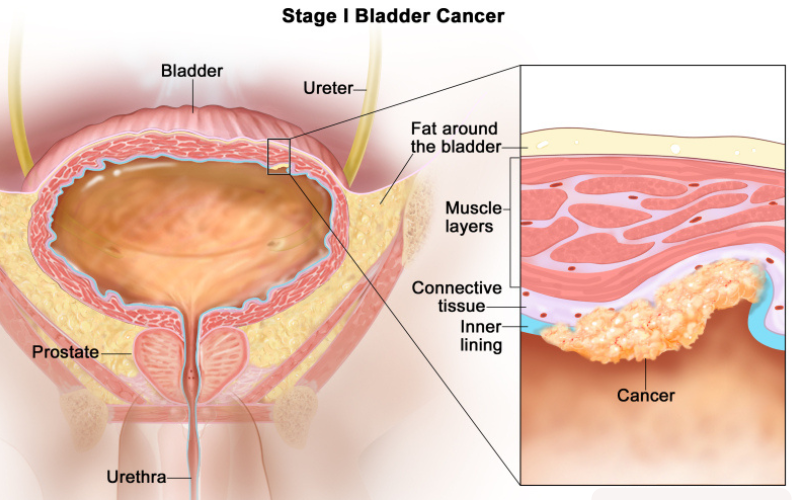
Overview of Kidney and Bladder Cancers
Kidney cancer, primarily renal cell carcinoma (RCC), originates in the lining of renal tubules, while other types include transitional cell and Wilms tumor in children. Bladder cancer is mostly urothelial (transitional cell) carcinoma arising from the bladder lining. Both are urological malignancies with rising incidence in India due to smoking, obesity, hypertension, and industrial exposures. Kidney cancer affects men more, often in the 60-70 age group; bladder cancer strongly links to tobacco (smoking/chewing) and occupational chemicals (dyes, paints). Chronic infections, analgesic abuse, and genetic factors (von Hippel-Lindau syndrome) contribute to kidney cancer risk.
Symptoms, Diagnosis, and Advanced Surgical Approaches
Kidney cancer often presents incidentally on imaging with flank pain, hematuria (blood in urine), palpable mass, or paraneoplastic symptoms like hypertension/anemia. Bladder cancer typically causes painless hematuria, frequent urination, pelvic pain, or recurrent infections.
Diagnosis involves urine cytology, ultrasound/CT/MRI for kidney tumors, cystoscopy with biopsy for bladder lesions, and PET-CT for staging/metastasis.
Surgery is cornerstone for cure. For localized kidney cancer, partial nephrectomy preserves renal function, preferred over radical nephrectomy (complete kidney removal).
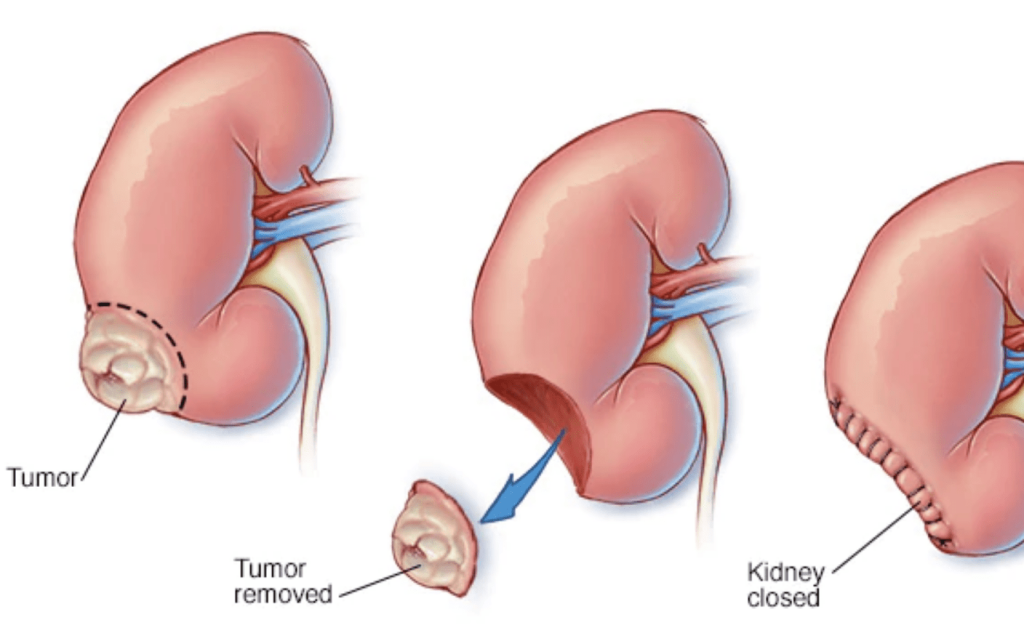
Dr. Kapil Kadian specializes in minimally invasive robotic/laparoscopic partial nephrectomy, enabling precise tumor excision with renal artery clamping (zero ischemia techniques in select cases), reduced blood loss, and faster recovery.
For bladder cancer, transurethral resection of bladder tumor (TURBT) diagnoses and treats superficial disease, often with intravesical BCG immunotherapy to prevent recurrence.
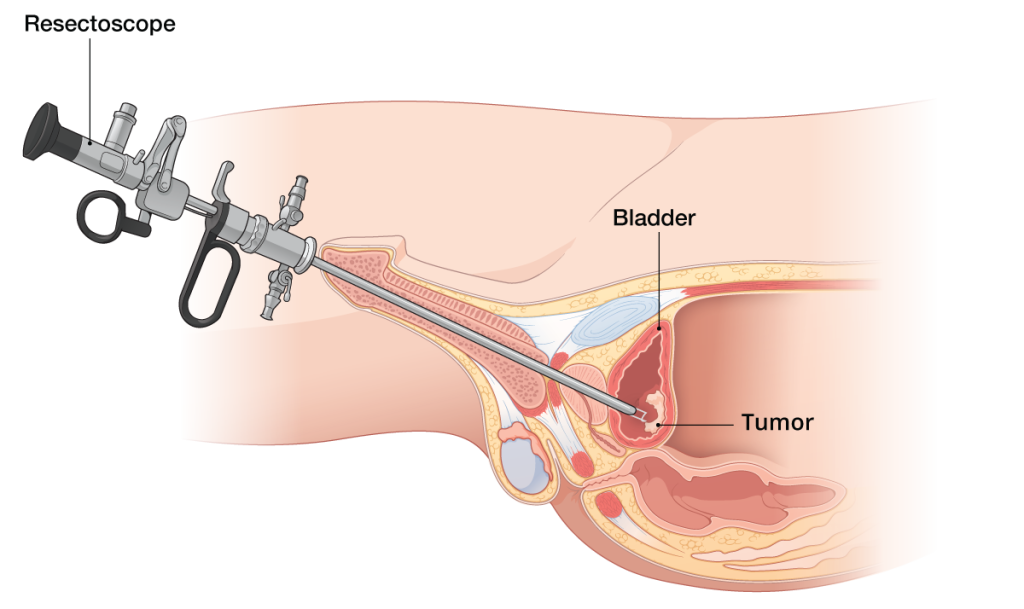
Muscle-invasive cases require radical cystectomy with lymph node dissection and urinary diversion (ileal conduit or neobladder for continent reconstruction).
Advanced/metastatic disease benefits from targeted therapies (tyrosine kinase inhibitors like sunitinib for RCC) and immunotherapy (checkpoint inhibitors).
Prevention emphasizes smoking cessation, weight control, hypertension management, and avoiding occupational toxins.
Expert surgical intervention yields 5-year survival >90% for early kidney cancer and >70% for non-muscle-invasive bladder cancer, focusing on organ preservation and quality of life through multidisciplinary care.