Overview of Skin Cancer
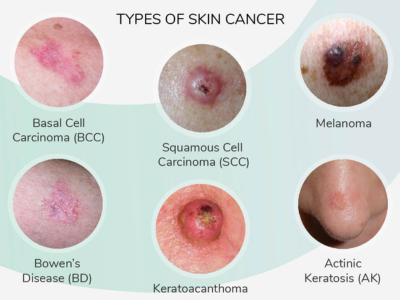
Skin cancer is the abnormal growth of skin cells, primarily triggered by ultraviolet (UV) radiation from the sun or tanning beds. The three main types are basal cell carcinoma (BCC), squamous cell carcinoma (SCC), and melanoma. BCC and SCC, collectively non-melanoma skin cancers, are the most common and least aggressive, rarely spreading but capable of local invasion. Melanoma, arising from melanocytes, is less common but more dangerous due to its potential for metastasis. In India, skin cancer incidence is lower than in Western countries due to higher melanin protection in darker skin, yet cases are rising with changing lifestyles, increased UV exposure, pollution, and awareness. Non-melanoma types predominate, with BCC more frequent in some regions like Punjab, influenced by arsenic in water and climate factors.
Symptoms, Diagnosis, and Precision Surgical Treatment
Warning signs include new growths, non-healing sores, changing moles (asymmetry, irregular borders, varied colors, diameter >6mm, evolving), scaly patches, or pearly nodules. Early detection via self-examination and dermatologist screenings is vital.
Diagnosis involves clinical exam, dermoscopy, and biopsy. Imaging like CT/PET assesses spread in advanced cases.
Surgery is the primary curative treatment. For BCC and SCC, Mohs micrographic surgery offers the highest cure rates (up to 99% for primary BCC) by removing thin layers with immediate microscopic examination, preserving healthy tissue—ideal for facial or recurrent tumors.
Dr. Kapil Kadian, as a surgical oncologist, performs wide local excisions, sentinel lymph node biopsies for melanoma staging, and complex reconstructions for defects in cosmetically sensitive areas. Advanced melanoma may require lymphadenectomy if nodes are involved.
Adjuvant therapies include radiation for high-risk non-melanoma, targeted therapy (BRAF inhibitors), or immunotherapy (checkpoint inhibitors) for metastatic melanoma, dramatically improving outcomes.